Legal advisor
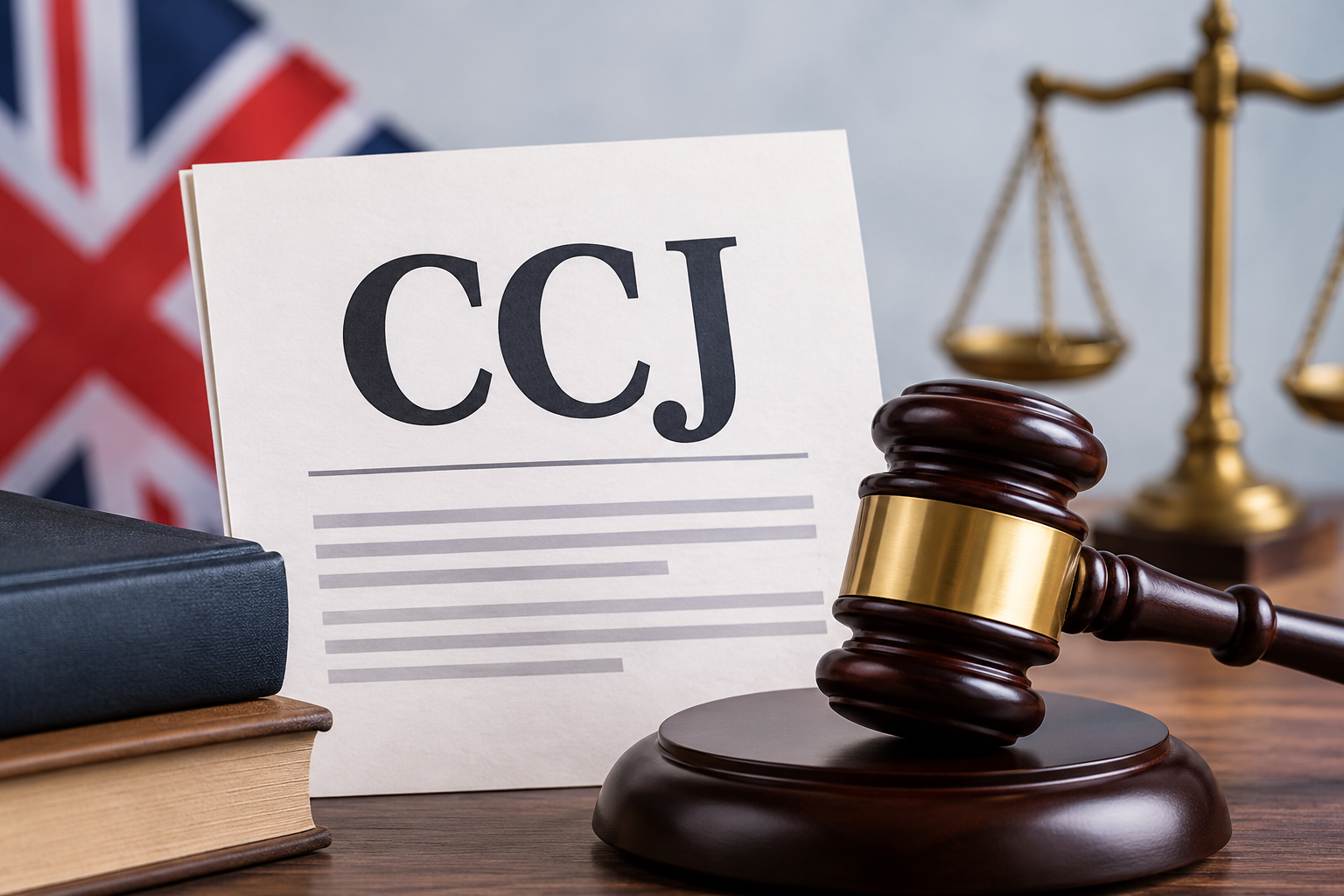

Financial disputes can sometimes develop into formal court proceedings when a person fails to pay money they legally owe. For individuals in the UK, receiving court documents can be worrying, particularly when they are unfamiliar with the legal process or unsure about what could happen next. Understanding the basics can help you respond appropriately and avoid making the situation more difficult.
If you are researching CCJ in UK, it is important to understand what a County Court Judgment is, when one may be issued, and what it could mean for your finances. Legateca provides accessible legal information to help people understand common legal procedures and make more informed decisions when dealing with everyday legal matters.
A County Court Judgment, commonly known as a CCJ, is a court judgment relating to money owed. It can be issued when a creditor takes a claim to court and the court determines that the defendant owes the money.
A CCJ is not simply a demand for payment from a company or individual. It is a formal court decision. Once a judgment has been made, the person who owes the money may need to follow the payment terms specified by the court.
It is therefore important not to ignore letters or official court documents connected with a money claim.
A County Court Judgment does not usually appear without a process leading up to it. A creditor may first attempt to recover an outstanding debt by contacting the person who owes the money.
If the matter remains unresolved, the creditor may decide to make a court claim. The defendant will generally receive information explaining the claim and what action they need to take.
Depending on the circumstances, the defendant may:
Failing to respond to a court claim can increase the risk of judgment being entered without the defendant presenting their side of the situation.
The first step is to read the documents carefully. Check who has made the claim, the amount being requested, the reason for the claim, and the deadline for responding.
Do not assume that a court document can simply be ignored because you disagree with the creditor. If you believe the claim is incorrect, you should understand the available response procedure and provide your position within the required timeframe.
Gather documents that may support your case. These could include invoices, contracts, payment records, emails, letters, bank statements, or other relevant correspondence.
Keeping organised records can make it easier to understand the dispute and explain your position.
Yes, depending on the circumstances, a defendant may be able to dispute a claim. For example, you might believe that the amount requested is incorrect, the debt has already been paid, or you do not owe the money claimed.
However, simply disagreeing with a claim does not automatically stop court proceedings. You need to follow the appropriate procedure and provide relevant information.
If you are unsure about the legal process, seeking professional advice may help you understand your position and the options available to you. Resources from Legateca can also help readers become familiar with common legal terminology before seeking further assistance.
If the court decides that money is owed, a judgment may specify how much must be paid and potentially how payments should be made.
The consequences can depend on whether the judgment is paid within the applicable period and whether the payment terms are followed.
A judgment can also become relevant to a person's credit record. This is one reason why dealing with court correspondence promptly is important.
The exact consequences depend on the circumstances, so individuals should review their court documents and obtain appropriate guidance where necessary.
A County Court Judgment can have an impact on your ability to obtain credit. Lenders and other organisations may consider information contained in a person's credit history when assessing applications.
This does not necessarily mean that every application for credit will be rejected. Different lenders have different criteria, and other factors may also influence their decisions.
However, a judgment can make borrowing more difficult or expensive in some circumstances. It may therefore be important to deal with outstanding court judgments responsibly and understand how payment can affect their status.
In some circumstances, a judgment may be removed from the register, but this is not something that happens automatically simply because the debt is later paid.
For example, there are specific circumstances in which a judgment may be set aside. This can involve making an application to the court and providing appropriate reasons and evidence.
Paying a judgment can also affect how it is recorded, depending on when payment is made. The rules surrounding this can be technical, so it is important to check the current requirements rather than assuming that payment will automatically erase the judgment.
If you are unable to pay the full amount immediately, do not simply ignore the judgment. Review the payment terms and consider what options may be available based on your financial circumstances.
In some situations, the court may determine an instalment arrangement based on the information provided about a person's finances.
It can be helpful to create a realistic budget showing your income and essential expenses. This may help you understand what you can reasonably afford and provide accurate information if required.
Deadlines are particularly important in legal matters. Missing a response deadline can limit your options or result in the court making a decision without hearing your position.
When you receive a court claim, note every relevant deadline immediately. Keep copies of all documents and correspondence, and make sure any response is submitted through the correct channel.
If you do not understand what a document means, consider obtaining legal advice rather than waiting until the deadline has passed.
Legal terminology can be confusing, particularly when you are dealing with court documents for the first time. Legateca aims to make legal information easier to understand by providing useful explanations of common legal topics and procedures.
Whether you are researching debt-related matters, court procedures, or other everyday legal concerns, reliable information can help you understand the general process and identify when professional legal advice may be appropriate.
Understanding CCJ in UK matters can help individuals respond more confidently when dealing with money disputes and court proceedings. A County Court Judgment is a formal court decision, and ignoring the underlying claim or judgment can potentially lead to further problems.
If you receive court documents, read them carefully, check the deadlines, gather relevant evidence, and consider getting professional advice if you are uncertain about your options. Taking timely and informed action can help you understand your position and deal with the matter more effectively.